Exactly How 3D Laser Scanning Changes Architectural Layout and Building And Construction Projects
3D laser scanning is changing the landscape of architectural design and building and construction. This modern technology offers unmatched precision in catching existing settings, which assists in far better task preparation and execution. It lowers errors while boosting effectiveness in various phases of development. The ramifications for collaboration amongst architects, engineers, and various other stakeholders are significant. These innovations open the door to brand-new style opportunities and innovative options. What lies ahead for this developing modern technology?
The Basics of 3D Laser Scanning Modern Technology
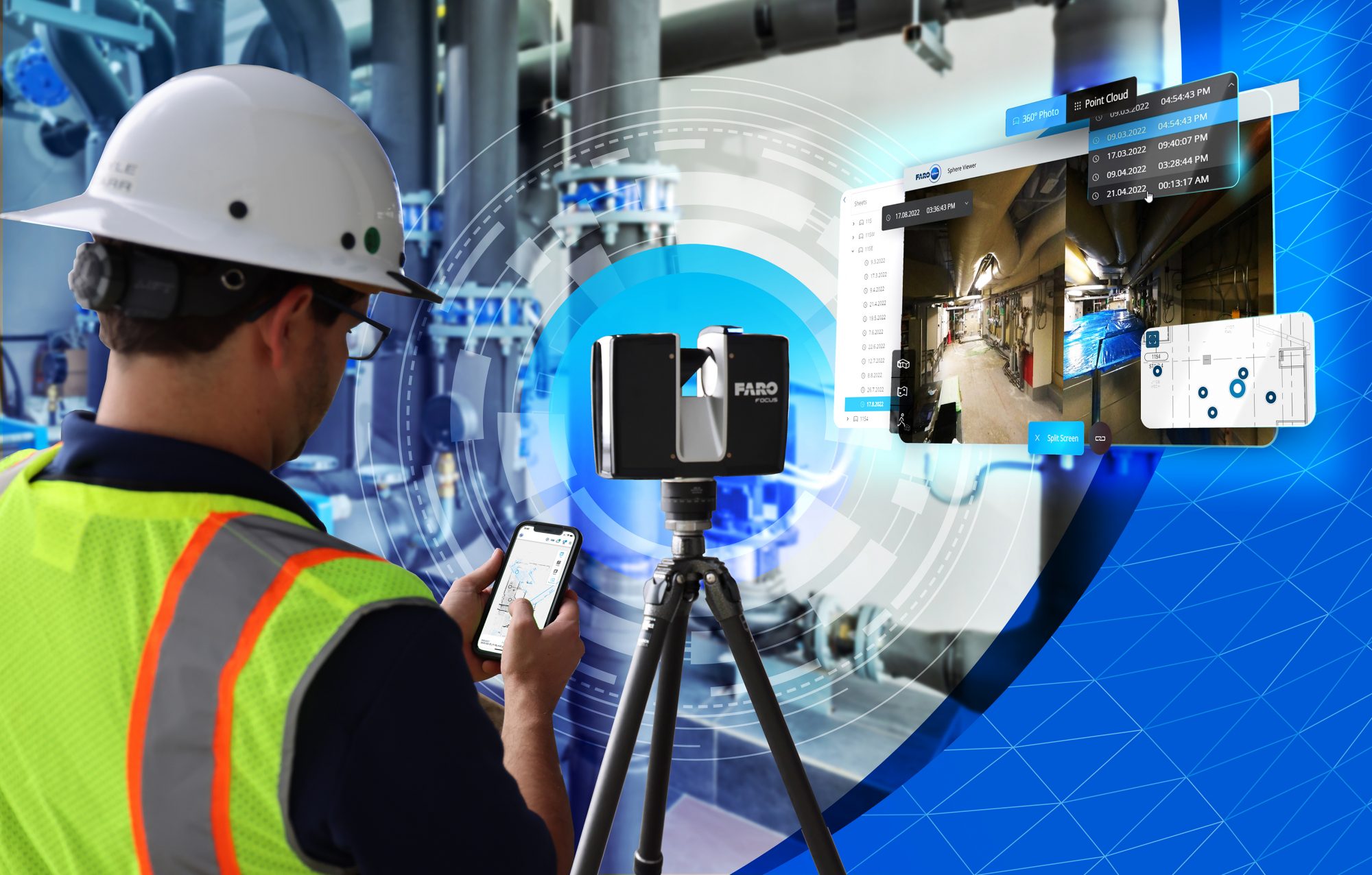
Although 3D laser scanning innovation might seem facility, its core principles are uncomplicated and transformative for building layout. This technology uses laser beams to catch specific measurements of physical structures, creating a comprehensive factor cloud that stands for the scanned setting. A laser scanner releases quick pulses of light, gauging the moment it considers the light to return, which permits the estimation of distances with amazing accuracy.
The resulting factor cloud can be converted right into a 3D version, offering architects with important aesthetic information. This version makes it possible for professionals to control and evaluate style aspects within their projects, allowing for innovative services and improved visualization. By employing 3D laser scanning, architects can much better recognize the present conditions of a site, making sure that new designs harmonize with their surroundings. This assimilation of technology right into building design notes a significant advancement, fostering creativity and accuracy in the field.

Enhancing Accuracy and Effectiveness in Architectural Projects
As building tasks increasingly require accuracy and rate, 3D laser scanning becomes a critical tool in improving both precision and performance. This technology catches millions of information factors in a quick duration, producing specific and in-depth 3D designs of existing frameworks. The capability to obtain accurate measurements reduces the risk of errors throughout the layout stage, permitting engineers to envision their jobs with unrivaled clarity.
Furthermore, the fast information collection procedure minimizes the moment invested on-site, making it possible for groups to concentrate on analysis and layout renovations. With real-time data schedule, modifications can be made promptly, promoting a more structured workflow. The assimilation of 3D laser scanning into building practices not just improves dimension accuracy however additionally improves the overall task timeline, promoting quicker decision-making. In a market where precision is critical, this modern technology stands as a transformative force, elevating the criteria of architectural style and construction projects.
Simplifying Collaboration Among Stakeholders
While typical architectural procedures usually include fragmented communication amongst stakeholders, 3D laser scanning promotes a much more natural joint environment. By providing specific, high-resolution information, this technology enables architects, contractors, clients, and engineers to run from a unified point of reference. The in-depth visualizations produced through laser scanning get rid of obscurities and misinterpretations, making certain that all events have accessibility to the exact same info.
This transparency enhances decision-making and urges timely responses, as stakeholders can conveniently envision layout elements and spatial relationships. Additionally, the integration of 3D scanning information right into Structure Details Modeling (BIM) platforms additionally enhances partnership, permitting real-time updates and modifications. Such smooth interaction not just lessens problems however likewise accelerates project timelines, as all stakeholders continue to be straightened throughout the style and building phases. Inevitably, 3D laser scanning changes standard workflows right into a much more effective and collaborative procedure, benefiting all parties entailed.
Opening Creative Opportunities in Style
By enabling engineers to imagine complex detailed information and spatial relationships, 3D laser scanning exposes creative opportunities in design. This innovation allows for specific mapping of existing atmospheres, making it possible for designers to discover innovative principles that may have previously appeared impractical. With very precise data, designers can explore non-traditional forms and products, pushing the limits of typical design.
The assimilation of 3D laser scanning into the style process cultivates cooperation amongst multidisciplinary groups, urging the exchange of concepts and enhancing creativity. The in-depth visualizations generated by this modern technology not just help in identifying prospective style difficulties however additionally motivate remedies that might not have been thought about. Therefore, designers can develop extra interesting and vibrant spaces that reverberate with users while meeting functional requirements. Ultimately, 3D laser scanning changes the building landscape, encouraging developers to recognize their visions with unmatched precision and creativity.
The Future of 3D Laser Scanning in Architecture and Construction
The integration of 3D laser scanning right into building style not only enhances creative thinking yet likewise sets the phase for its advancing duty in the future of design and building. As innovation advancements, the accuracy and efficiency of laser scanning will certainly proceed to boost, making it possible for building contractors and engineers to produce more complicated styles with precision - 3D Scanning. The usage of this innovation in real-time data collection will certainly help with far better decision-making, minimizing errors and simplifying process
Future applications might go to website consist of online and augmented fact combinations, permitting stakeholders to picture projects in immersive atmospheres. Additionally, as sustainability ends up being a priority, 3D laser scanning will sustain the advancement of energy-efficient layouts by supplying comprehensive understandings right into existing structures. As collaboration amongst various self-controls becomes even more necessary, the ability to share specific 3D models will cultivate technology and improve project outcomes. Inevitably, 3D laser scanning will redefine criteria in architectural layout and building techniques.
Regularly Asked Questions
What Is the Cost of Carrying Out 3D Laser Scanning Modern Technology?

The length of time Does a Typical 3D Laser Scanning Job Take?
A normal 3D laser scanning task can take anywhere from a couple of hours to several days, depending upon variables such as the project's size, complexity, and the degree of information required for accurate information capture.
What Sorts Of Projects Advantage Most From 3D Laser Scanning?
3D laser scanning benefits various projects, particularly massive building and constructions, historic restorations, and complex remodellings. It improves accuracy in measurements, minimizes errors, and gives detailed data necessary for reliable planning and execution in architectural design and building.
Are There Certain Software Programs Required for 3D Laser Scans?
Yes, details software programs are crucial for processing 3D laser scans. 3D Scanning. Popular options consist of Autodesk Wrap-up, Faro Scene, and Leica Cyclone, each offering one-of-a-kind attributes tailored for visualizing and evaluating checked data efficiently in various projects
How Does 3D Laser Scanning Effect Environmental Sustainability in Building And Construction?
3D laser scanning boosts environmental sustainability in building by decreasing material waste, enabling accurate measurements, and advertising reliable resource use. This modern technology permits for far better planning, decreasing the eco-friendly impact of building and construction tasks with boosted precision and effectiveness.
3D laser scanning is changing the landscape of architectural layout and building and construction. 3D laser scanning modern technology might appear complicated, its core principles are transformative and straightforward for building style. By allowing architects to visualize intricate spatial partnerships and complex details, 3D laser scanning reveals imaginative opportunities in design. The combination of 3D laser scanning go to my site into the design procedure cultivates partnership amongst multidisciplinary teams, encouraging the exchange of concepts and enhancing creative thinking. The assimilation of 3D laser scanning right into architectural design not just enhances creativity yet likewise establishes the phase for its developing function in the future of architecture and construction.